
The Persistence of German Identity
The Master Butchers Singing ClubMigration, family memory, and political upheaval complicate the characters’ efforts to define home and national belonging.
increasing Bearing strength in each event
 decreasing
Bearing strength in each eventdecreasingA German Butcher in America

Carrying the Old World West
Trade travels with Fidelis
Fidelis emigrates with sausages, knives, and the discipline of his family’s craft. His work gives him a way to build a life in Argus.
Belonging remains unsettled
He becomes an American resident without becoming detached from Germany. Language, food, and family customs continue to shape his identity.
The Twins Raised Abroad
Childhood Remade
A move becomes upbringing
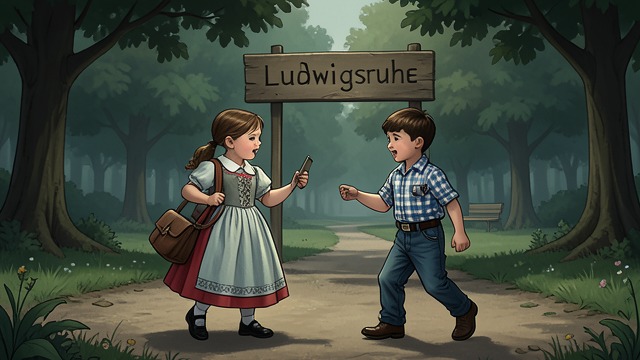
Tante takes Emil and Erich to Ludwigsruhe, where they grow up among relatives and German institutions. Their American beginnings fade from daily life.
The family divides
The brothers’ identities develop far from Fidelis and the older boys. A practical plan for care creates a lasting emotional and political distance.
A Political Horizon

Hope and Warning
Conflicting interpretations
Fidelis hears reports of persecution and political violence but hopes that Germany’s new strength will secure peace and prosperity for his family.
Delphine distrusts reassurance
Delphine sees danger in the reports and worries about what the boys may face. Their different readings expose the limits of distance and nostalgia.
Erich Chooses Germany
Identity Under Pressure
An American birthplace
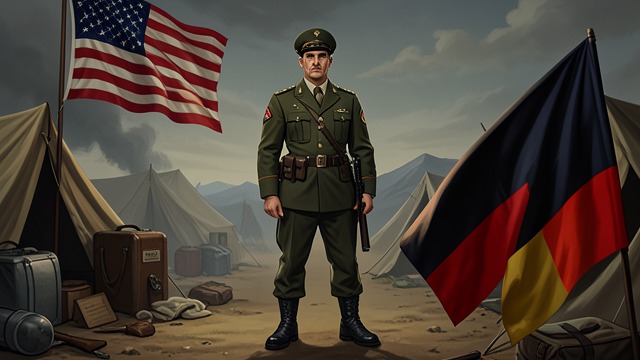
Erich reveals that he was born in North Dakota, but he has spent years forming himself as a German soldier.
Captivity strengthens the divide
Even in an American camp, Erich refuses easy reconciliation. The identity he protects is both political belief and a defense against grief.
A Homecoming Deferred
Visiting the Old Home
Familiar people, changed country
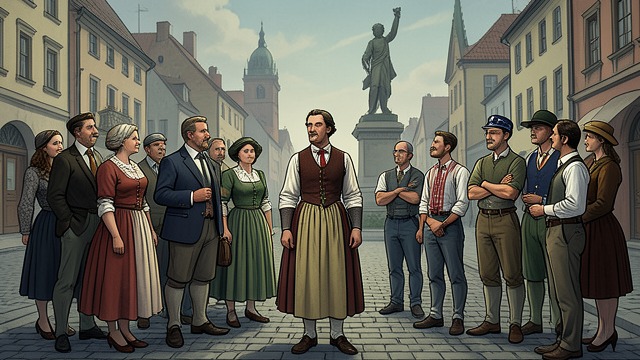
Fidelis returns to Ludwigsruhe, where relatives welcome him and the town commemorates its war dead. Delphine remains linguistically and culturally outside the gathering.
Belonging has a cost
The visit brings memory and affection but also illness and estrangement. Germany is a family home, not a place that can restore the past.
1922
1930s
The late 1930s
After his capture in World War II
The 1954 return to Germany
